


A cough is a common health issue. Often, it’s from a cold, a viral infection, allergies, or changes in the season. Generally, it gets better in a couple of weeks with some rest and care. But if your cough doesn’t go away after 3 weeks then don’t ignore it.
A cough that continues may signal a lung problem, like tuberculosis (TB). TB is a bacterial infection that mostly targets the lungs. It spreads through the air when someone coughs or sneezes. The good news? It can be treated and cured if caught early. Spotting the signs and getting medical help on time can avoid complications and keep those around you safe. If you’re looking for Chest & TB Care, timely consultation can help with early diagnosis and proper treatment.
What Is Tuberculosis (TB)?
Tuberculosis is an infectious disease caused by Mycobacterium tuberculosis. It mainly hits the lungs but can move to other body parts if untreated.
TB spreads when a person with active lung TB coughs, sneezes, or talks, sending tiny bacteria into the air. Not every lasting cough means TB, but if it goes longer than three weeks, it’s wise to see a doctor.

Why Should a Persistent Cough Be Taken Seriously?
Many people delay medical care, thinking their cough will clear up on its own. But waiting can make the infection worse and increase the chance of passing it to others.
A cough lasting over three weeks might mean:
- Tuberculosis (TB)
- Chronic bronchitis
- Pneumonia
- Asthma
- COPD (Chronic Obstructive Pulmonary Disease)
- Lung infections or other respiratory issues
The only way to find the real cause is through a proper diagnosis.
Symptoms That May Indicate TB
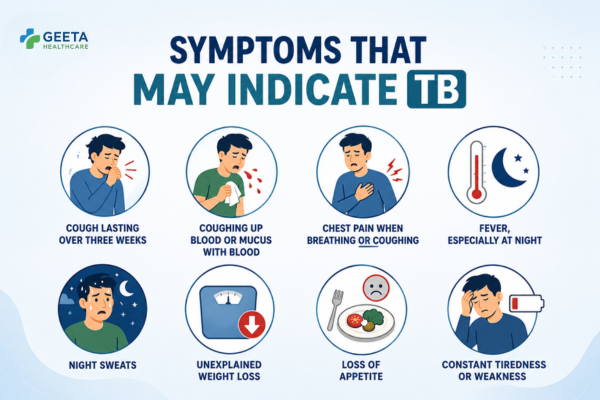
A cough that sticks around is often the first sign of TB, but you might also see:
- A cough lasting over three weeks
- Coughing up blood or mucus with blood
- Chest pain when breathing or coughing
- Fever, especially at night
- Night sweats
- Unexplained weight loss
- Loss of appetite
- Constant tiredness or weakness
If you notice more than one of these symptoms, get medical advice quickly.
Who Is at Higher Risk of TB?
Anyone can get TB, but certain groups are more at risk, like:
- People with weak immune systems
- Individuals with diabetes
- Smokers
- Older adults
- Those living closely with someone who has active TB
- People in crowded living or working conditions
Understanding your risk factors can help you find treatment sooner. If you have persistent symptoms, consulting a General Physician in Maruti kunj, Gurugram can help identify the cause and guide you toward the right treatment.
Is TB Curable?
Yes. Tuberculosis is curable in most cases when treated correctly. Treatment usually means taking the medications prescribed for several months—don’t miss doses.
Stopping meds too soon or skipping doses can lead to drug-resistant TB; that’s tougher to treat. Always finish the full course just as your doctor says.
How Can You Reduce the Risk of TB?
Simple steps can help:
- Cover your mouth and nose when you cough or sneeze.
- Keep good ventilation at home and work.
- Stay away from people with untreated active TB.
- Eat well to help your immune system.
- See a doctor right away if your cough lasts longer than three weeks.
When Should You See a Doctor?
Don’t wait if your cough:
- Lasts more than three weeks.
- Has blood in the sputum.
- Causes chest pain or trouble breathing.
- Comes with fever, weight loss, or night sweats.
Getting checked early can find out what’s wrong and help you start the right treatment before it gets worse.
Final Thoughts
A cough lasting over many weeks signals your body is trying to tell you something. While there can be many possible causes, tuberculosis (TB) is one condition that should never be ignored. If you’re experiencing a persistent cough, chest pain, or coughing up blood, don’t delay—Book an Appointment with a Chest Specialist. Early diagnosis and timely treatment can significantly improve recovery and reduce the risk of serious complications.
TB is both preventable and treatable when detected early. Recognising the warning signs and seeking medical attention as soon as symptoms appear can help protect your health and prevent the infection from spreading to others. If your cough has lasted for more than two to three weeks or you’re experiencing unexplained weight loss, fever, or night sweats, consult a healthcare professional without delay.
If your cough lasts more than three weeks, gets worse, or is accompanied by symptoms like fever, chest pain, weight loss, or coughing up blood, you should consult a doctor.
Early symptoms of TB include a persistent cough lasting over three weeks, chest pain, coughing up blood, fever, night sweats, unexplained weight loss, fatigue, and loss of appetite.
Yes. TB is curable with the right combination of medications taken regularly for the full treatment duration prescribed by your doctor.
TB spreads through the air when a person with active pulmonary TB coughs, sneezes, speaks, or sings, releasing bacteria into the air.
No. A persistent cough can also be caused by asthma, allergies, chronic bronchitis, pneumonia, or acid reflux. However, tuberculosis is one possible cause that should not be ignored.