Reviewed by Dr. Varun Gupta (MBBS, DNB, MNAMS)
Senior Physician & ICU Specialist | 17+ Years of Experience in Internal Medicine and Critical Care
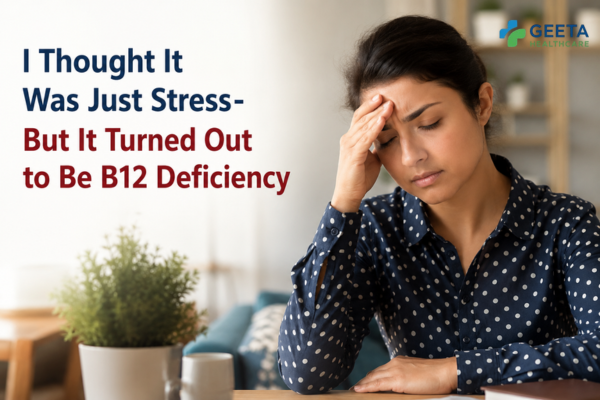
Over the past 17 years, one thing I have noticed is that many people ignore small changes in their health. They often think constant tiredness, poor memory, or tingling in the hands and feet are caused by stress, lack of sleep, or getting older.
Sometimes that is true. But sometimes, these symptoms are caused by vitamin B12 deficiency, a common condition that is often missed until it starts affecting daily life.
One patient I treated came to our clinic because he had been feeling tired for several months. He said he was sleeping well but still woke up exhausted every morning. He also noticed tingling in his feet and found it difficult to concentrate at work. He thought it was because of his busy schedule.
After discussing his symptoms and performing some blood tests, we found that his vitamin B12 levels were low. With the right treatment, dietary changes, and regular follow-up, his energy gradually returned, and the tingling improved over the next few weeks.
This is why I always tell my patients:
“If your body keeps giving you the same warning signs, don’t ignore them. Find the reason before the problem becomes serious.”
What Is Vitamin B12?
Vitamin B12 is crucial for your body as It helps:
- Make healthy red blood cells.
- Keep your brain and nerves in good shape.
- Produce DNA.
- Turn food into energy.
Your body can’t produce vitamin B12 by itself. It needs to come from what you eat or supplements.
You mainly find B12 in animal products like milk, eggs, fish, meat, and dairy. If you’re on a strict vegetarian or vegan diet, you might be at risk of deficiency- especially if you’re not getting enough B12 from fortified foods or supplements.
Early Symptoms of Vitamin B12 Deficiency
Vitamin B12 deficiency usually develops slowly. Many people do not notice it until the symptoms become more obvious.
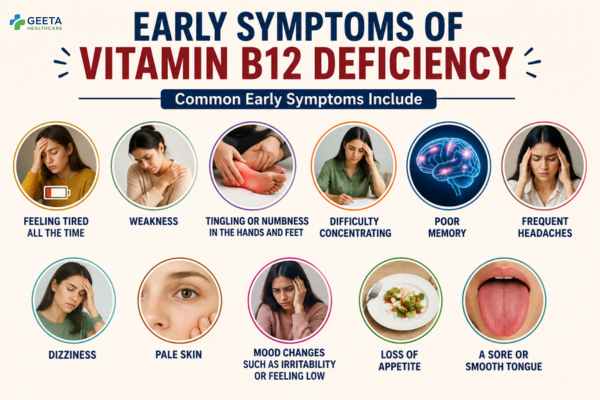
Common early symptoms include:
- Feeling tired all the time
- Weakness
- Tingling or numbness in the hands and feet
- Difficulty concentrating
- Poor memory
- Frequent headaches
- Dizziness
- Pale skin
- Mood changes such as irritability or feeling low
- Loss of appetite
- A sore or smooth tongue
If you ignore these symptoms, vitamin B12 deficiency can mess with your nervous system, leading to problems with walking, balance issues, and nerve damage.
Why Does Vitamin B12 Deficiency Cause These Problems?
Vitamin B12 helps your body produce healthy red blood cells that carry oxygen to every part of the body.
When vitamin B12 levels become low:
- Less oxygen reaches your body’s tissues, causing tiredness and weakness.
- The nerves do not function properly, leading to tingling, numbness, and balance problems.
- Brain function may be affected, causing memory problems and difficulty concentrating.
This is why symptoms can appear in different parts of the body.
What Causes Vitamin B12 Deficiency?
There are many reasons why vitamin B12 levels become low.
Some of the most common causes include:
- A vegetarian or vegan diet without vitamin B12 supplements
- Poor absorption due to stomach or intestinal problems
- Long-term use of medicines such as metformin or acid-reducing medicines
- Pernicious anemia
- Stomach surgery
- Growing older, as vitamin B12 absorption naturally decreases with age
According to medical studies, vitamin B12 deficiency affects about 6% of adults below 60 years of age and up to 20% of adults over 60 years.
Who Is More Likely to Develop Vitamin B12 Deficiency?
You may have a higher risk if you:
- Are above 60 years of age
- Follow a strict vegetarian or vegan diet
- Have diabetes and take metformin for many years
- Take acid-reducing medicines regularly
- Have Crohn’s disease or celiac disease
- Have had stomach or intestinal surgery
How Is Vitamin B12 Deficiency Diagnosed?
Diagnosis starts with a detailed discussion about your symptoms, diet, medical history, and medicines.
Your doctor may recommend blood tests such as:
- Complete Blood Count (CBC)
- Serum Vitamin B12 level
- Methylmalonic Acid (MMA), if needed
- Homocysteine level
- Folate level
These tests help identify whether vitamin B12 deficiency is the cause of your symptoms.
Foods Rich in Vitamin B12
If your doctor advises increasing vitamin B12 through diet, these foods can help:
- Milk and curd
- Cheese
- Eggs
- Fish
- Chicken
- Meat
- Liver
- Fortified breakfast cereals
- Fortified plant-based milk

If you are vegetarian, speak with your doctor about whether you need vitamin B12 supplements.
When Should You See a Doctor?
Do not ignore symptoms if they continue for several weeks.
Consult our doctor if you have:
- Constant tiredness
- Tingling or numbness
- Memory problems
- Difficulty concentrating
- Poor balance
- Unexplained weakness
A simple blood test can often spot the cause before things get worse.
My Advice as a Physician
Many people wait for symptoms to become severe before seeking medical help.
In my experience, early diagnosis makes treatment easier and helps prevent long-term problems.
Keep this in mind: not every case of tiredness is just stress, and not all tingling feels good. Tune in to your body; getting checked at the right moment can change everything.
Final Thoughts
Vitamin B12 deficiency shows up often but it can be treated. Spotting symptoms early and seeking medical advice can help prevent serious complications, including permanent nerve damage.
If you’re feeling drained despite getting enough rest or if tingling, memory issues, or weakness are creeping in- don’t just ignore it. See our doctor, get the tests you need, and start treatment if necessary.
Your health is too crucial to leave questions hanging.
Contact Number : +91 74049 26923
Email id : [email protected]